As electric vehicles become more common, homeowners are recognizing the benefits of installing EV chargers at home. Being able to charge a vehicle overnight or whenever it is parked offers greater convenience, flexibility, and control over daily travel.
For Colorado residents, searching for Electric Charger Installation in Lakewood CO is often the first step toward creating a dependable home charging setup. Professional installation helps ensure the charger operates safely, suits the vehicle’s requirements, and works properly with the home’s electrical system.
The Advantages of Home EV Charging
Convenience is one of the main reasons homeowners install an EV charger. Instead of regularly visiting public stations that may be busy, unavailable, or away from a normal route, drivers can connect their vehicles when they arrive home.
Charging overnight makes it easier to begin each morning with enough battery power. It also reduces the need to plan errands or travel around the availability of public charging stations.
Key Benefits Include
- Time Savings: Home charging eliminates many trips to public stations and allows the vehicle to recharge while the owner sleeps.
- Cost Efficiency: Charging at home may cost less than using public stations, particularly when off-peak electricity rates are available.
- Greater Convenience: Drivers can charge according to their schedules without waiting for an available public charger.
- Increased Property Appeal: A professionally installed charger may attract future buyers as electric vehicle ownership grows.
- Personal Safety: Charging at home can reduce the need to visit unfamiliar or isolated public stations at night.
- Predictable Availability: A personal charger is available whenever needed and is not occupied by another driver.
Understanding the Installation Process
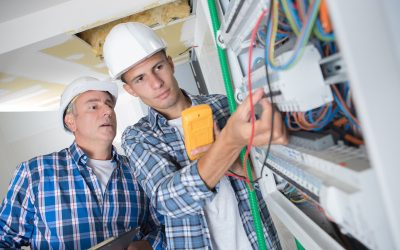
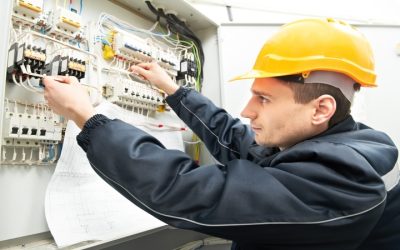
Installing a home EV charger is generally straightforward when completed by a qualified electrician. However, every property is different, so the electrical system and proposed location must be evaluated carefully.
The installation process commonly includes:
1. Site Assessment: An electrician examines the electrical panel, available capacity, existing wiring, parking arrangement, and preferred charger location.
2. Charger Selection: The electrician helps confirm that the selected charging equipment is compatible with the vehicle and electrical system.
3. Permitting: Local rules may require permits or inspections. A professional can manage these requirements and help ensure code compliance.
4. Electrical Preparation: A dedicated circuit and suitable wiring are installed. The electrical panel may require an upgrade if it cannot safely support the added demand.
5. Charger Installation: The unit is securely mounted and connected according to electrical codes and manufacturer requirements.
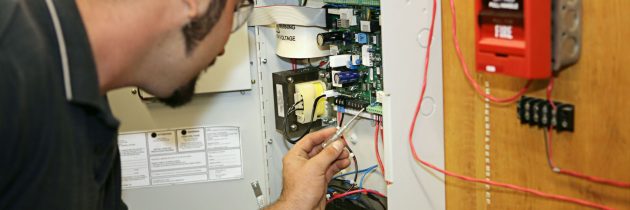
6. Testing and Demonstration: The electrician tests the charger and explains its features, controls, and proper use.
Professional installation gives homeowners confidence that the equipment is correctly connected, securely mounted, and ready for regular charging.
Is Your Electrical System Ready?
Before installing a charger, an electrician must determine whether the existing panel has enough capacity. Homes with older panels or several high-demand appliances may require an upgrade or load-management equipment.
EV chargers draw considerable power for extended periods, making proper circuit sizing and wiring important. Connecting charging equipment to an unsuitable circuit can cause overheating, breaker trips, equipment damage, or other safety concerns.
An electrical assessment identifies these issues before work begins. It also helps homeowners understand any improvements required to support safe and dependable charging.
Choosing the Right EV Charger
Many homeowners select a Level 2 charger because it provides a practical balance between charging speed and daily usability. It generally charges faster than a standard household outlet, although the actual time depends on the vehicle, battery, charger output, and available electrical capacity.
Important factors to consider include:
- Charging Speed: Higher-amperage equipment may charge faster but could require additional electrical work.
- Smart Features: Wi-Fi-enabled chargers may allow owners to schedule charging, monitor energy consumption, and review usage.
- Vehicle Compatibility: The charger and connector must work with the homeowner’s current vehicle.
- Cable Length: A suitable cable should reach the vehicle without creating a tripping hazard.
- Installation Environment: Outdoor units should be properly rated for changing weather conditions.
- Future Needs: Homeowners planning to purchase another EV may want equipment capable of supporting future charging requirements.
Selecting a Practical Charger Location
The charger should be installed where the vehicle can connect easily without placing unnecessary strain on the cable. Garages, carports, and exterior walls beside driveways are common locations.
Distance from the electrical panel can affect installation complexity and cost because longer wiring runs may require more labor and materials. An electrician should also consider weather exposure, parking habits, cable storage, and protection from accidental damage.
Selecting the location carefully makes daily charging safer and more convenient while keeping the surrounding area organized.
Making the Switch to Home Charging
Home EV charging is a practical investment for current electric vehicle owners and households planning to purchase one. It provides the flexibility to charge on a preferred schedule, reduces dependence on public infrastructure, and simplifies daily vehicle use.
Professional Electric Charger Installation in Lakewood, CO, helps ensure that the equipment is compatible, code-compliant, and safely connected. With the right charger and installation plan, homeowners can enjoy an efficient, convenient, and dependable charging experience for years to come.