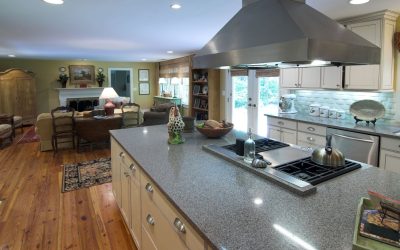
Key takeaway:
- Visit a showroom with physical tile and stone samples displayed in natural and artificial light before ordering.
- Compare material options, slab availability, and fabrication services rather than price alone.
- Ask about in-house installation support or trusted contractor referrals to avoid project delays.
The right tiles showroom gives you access to physical samples, honest material guidance, and realistic timelines, so you can match a product to your renovation budget and space before committing to an order.
Choosing a tiles showroom Berkeley CA is less about walking into the first store you find and more about verifying that the business actually stocks the materials your project needs, from porcelain and ceramic tile to natural stone slabs. A showroom that displays full-size samples under different lighting conditions helps you avoid the common renovation mistake of ordering a tile that looks different once installed. This matters most for kitchens, bathrooms, and flooring projects where color consistency and slab-to-slab variation affect the finished look.
What a Quality Tiles Showroom Should Offer
A dependable showroom does more than sell boxes of tile off a shelf. It should function as a resource center where homeowners and contractors can evaluate material options side by side.
Look for these baseline offerings when evaluating a showroom:
- A range of natural stone and tile materials displayed as full slabs or large-format samples
- Staff who can explain the differences between stone types, finishes, and maintenance needs
- On-site or closely coordinated fabrication services for custom cuts and edges
- Clear information on lead times and material availability for your specific project
Natural stone suppliers that also offer fabrication can shorten the gap between selecting a slab and having it installed, since the material does not need to change hands between multiple vendors.
Comparing Showroom Types Before You Commit
Not every tile and stone retailer operates the same way, and the differences affect both cost and convenience. Big box stores typically carry limited stone selections and standard tile sizes, while dedicated stone and tile showrooms often stock a wider range of slabs and offer fabrication on site.
| Showroom Type | Material Range | Fabrication Access | Best For |
| Big box retailer | Limited, standard sizes | Rarely offered | Small budget-driven projects |
| Dedicated stone showroom | Wide slab and tile selection | Often in-house | Custom kitchens, bathrooms |
| Online-only retailer | Photos, limited samples | Not available | Pre-planned, low-risk orders |
| Specialty fabricator showroom | Curated stone and tile lines | Integrated service | Full renovation projects |
This comparison is a general guide rather than a fixed rule, since some retailers blend categories. The key is confirming what a specific showroom can deliver before assuming it matches your project scope.
Questions to Ask Before Selecting a Showroom
Walking through a showroom with a short list of questions helps separate well-run operations from those that may cause delays later. According to the U.S. Environmental Protection Agency’s guidance on indoor air quality and renovation materials, buyers should also confirm that any stone or tile sealants and adhesives used during installation meet low-emission standards, particularly in enclosed spaces like bathrooms.
Consider asking:
- Can I see the exact slab or tile lot that will be used for my order, not just a display sample?
- What is the current lead time for fabrication and delivery?
- Do you coordinate directly with installers, or is that arranged separately?
- Are remnant or discounted slabs available for smaller accent projects?
A showroom that answers these clearly, without vague timelines, is generally easier to work with through the full renovation process.
Matching the Showroom to Your Project Scope
A small bathroom backsplash has different demands than a full kitchen counter and floor package. Smaller projects may only require a handful of tile boxes, while larger renovations benefit from a showroom that can source matching slabs in sufficient quantity to avoid visible seams or color shifts. Confirming slab availability in advance, rather than after demolition has started, reduces the risk of project delays caused by backordered material.
Frequently Asked Questions
How far in advance should I visit a tiles showroom before starting a renovation? Most material selection should happen four to eight weeks before installation begins, allowing time for fabrication and delivery scheduling.
Is natural stone more expensive than porcelain tile? Natural stone generally costs more than porcelain due to quarrying, slab processing, and fabrication labor, though exact pricing depends on the specific material and finish selected.
Can a showroom help if I only need a small quantity of tile? Many showrooms accommodate smaller orders, including remnant pieces for accent walls or small bathroom projects, though availability varies by location.
Do showrooms typically handle installation, or only sales? Some showrooms offer in-house fabrication and installation coordination, while others focus solely on material sales and refer customers to independent installers.
Selecting a tiles showroom comes down to verifying real material availability, fabrication capability, and clear communication before placing an order. All Natural Stone visit website offers natural stone and tile selection with fabrication support for homeowners planning kitchen, bathroom, and flooring renovations. Reviewing samples in person and asking direct questions about lead times and slab matching remains the most reliable way to avoid costly surprises mid-project.